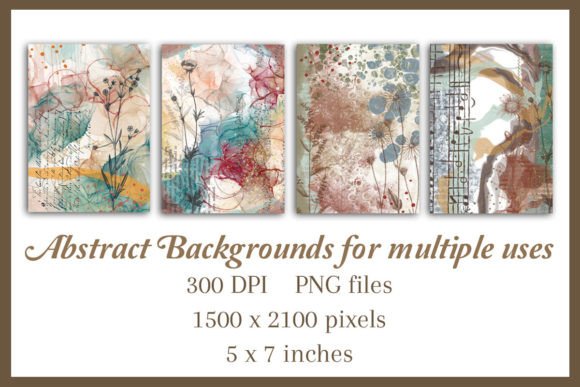
Abstract Digital Background: Elevating Your Design with Texture and Depth
In the crowded landscape of digital design, the difference between a forgettable layout and a memorable one often comes down to texture. A flat, sterile vector shape might look clean, but it rarely feels alive. This is where an Abstract Digital Background becomes your most valuable asset. Specifically, backgrounds that blend the fluidity of watercolor brushes with the rich depth of oil paint offer a unique tactile quality that purely digital tools struggle to replicate on their own. These resources are not just decorative; they are foundational elements that can dictate the mood, professionalism, and emotional resonance of your entire project.
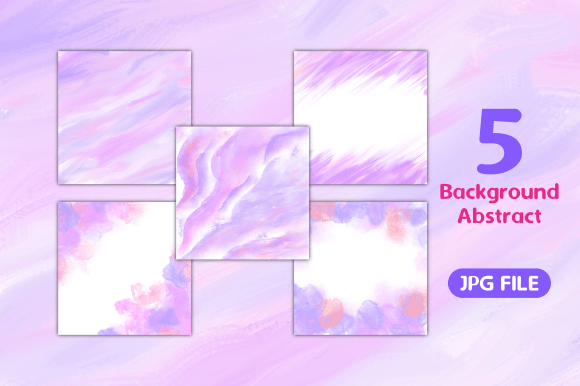
Whether you are a freelancer pitching a new brand identity, a blogger looking to refresh a header, or a small business owner creating marketing materials, the right background sets the stage for your message. The specific collection we are discussing—crafted with realistic watercolor and oil paint techniques and delivered as five high-resolution JPG files at 3600 x 3600 pixels—is designed to solve common visual problems without requiring you to pick up a physical brush. However, simply downloading a file does not guarantee success. Many creators make avoidable mistakes when selecting and applying these assets, which can undermine the very quality they sought to achieve.
The Hidden Trap of Low-Resolution Assets
One of the most common errors designers and non-designers alike make is underestimating the importance of resolution in digital textures. It is tempting to grab any free or cheap background image from a search engine, but the result is often pixelation, blurriness, or visible compression artifacts when scaled up. An Abstract Digital Background relies heavily on the fine details of brush strokes and color blending. If the source file is too small, those delicate nuances vanish, leaving behind muddy blocks of color that look amateurish.
This is why the specification of 3600 x 3600 pixels matters significantly. At this resolution, you have enough data to crop, zoom, or print the image without losing clarity. If you attempt to stretch a smaller image to fit a large banner or a printed brochure, the "digital" aspect of the background will betray the "painterly" aesthetic you were trying to achieve. To avoid this, always check the pixel dimensions before purchasing or downloading. Ensure the file size matches your intended output medium. For web use, you might optimize the file size, but for print or large-format displays, you need the full uncompressed potential of the original high-res file.
Misunderstanding Color Harmony and Context
Another frequent oversight involves color selection. A beautiful abstract background in isolation can clash horribly when placed behind text or other design elements. Beginners often choose a background based solely on how pretty the colors look, ignoring the context of the final composition. A vibrant, chaotic mix of oil paint splashes might be stunning as a standalone piece of art, but it could render white text completely unreadable if used as a website hero section.
The key to using an Abstract Digital Background effectively is understanding color theory and contrast. Before committing to a specific design, overlay your typography or logos onto the background. Does the text pop? Is there enough visual separation? If the background is too busy, consider adding a semi-transparent overlay—a solid color layer set to 10% or 20% opacity—to mute the texture slightly while retaining its character. Alternatively, use the background only in sections where it supports rather than competes with the primary content. The goal is a balanced composition where the texture enhances the message rather than obscuring it.
Practical Checks Before You Apply the Asset
To ensure your design process remains efficient and your results professional, perform these quick checks before finalizing your choice:
- Inspect the Edges: Zoom in to 100% and examine the edges of the canvas. Some lower-quality digital paintings have harsh cut-offs or jagged lines that break the illusion of a natural painting. High-quality assets should feel seamless or intentionally framed.
- Test for Compression Artifacts: Look closely at areas of smooth gradient. If you see blocky squares (macro-blocking), the file has been compressed too aggressively. This ruins the softness essential to watercolor effects.
- Verify File Format Compatibility: While JPG is excellent for photography and complex textures like oil paint, ensure your workflow supports it. If you plan to edit individual layers later, a JPG will not suffice; however, for final compositing in marketing materials, JPG is perfectly adequate and widely supported.
- Assess Color Consistency: Check how the colors appear on different screens. What looks vibrant on a calibrated monitor might appear washed out on a mobile device. Ensure the color combination remains appealing across various viewing conditions.
The Value of Curated Collections
Many creators waste hours searching for disparate images that supposedly "match," only to end up with a disjointed visual style. One of the significant advantages of a curated pack, such as the five-file set mentioned, is consistency. When a designer creates a series of backgrounds using the same brush sets and color palettes, the resulting images share a cohesive DNA. This allows you to create a suite of materials—social media posts, email headers, and presentation slides—that feel unified.
Using a single, mismatched background for every page of a document can also be monotonous. Having a variety of five distinct yet harmonious options allows you to vary your visual rhythm. You might use a darker, more intense oil-paint texture for a title slide and a lighter, airy watercolor wash for a content-heavy page. This variation keeps the audience engaged without sacrificing brand identity. It is a practical approach to efficiency: instead of hunting for new assets for every single project, you invest in a reliable toolkit that covers multiple scenarios.
Avoiding the "Over-Design" Pitfall
There is a tendency, especially among those eager to impress, to overcomplicate a design by layering too many textures. An Abstract Digital Background is powerful precisely because it provides a strong foundation. Adding more patterns, gradients, or effects on top of it can create visual noise that distracts the viewer. The best designs often let the background breathe.
If you find yourself struggling to place text or icons, step back and simplify. Sometimes the solution is not to add more elements but to reduce them. Let the organic flow of the watercolor or the bold strokes of the oil paint do the heavy lifting. Trust the quality of the asset you have chosen. By respecting the integrity of the original artwork, you allow its inherent beauty to elevate your design naturally, rather than forcing it into a role it was not meant to play.
Final Thoughts on Making the Right Choice
Selecting the right Abstract Digital Background is a strategic decision that impacts the perceived value of your work. By avoiding low-resolution traps, ensuring color harmony, and utilizing curated collections effectively, you can transform simple layouts into compelling visual experiences. Remember that the best tool is the one that serves your communication goals without drawing unnecessary attention to itself. With high-quality files that capture the essence of traditional media, you have the opportunity to bring warmth, creativity, and professionalism to your projects. Take the time to evaluate these assets critically, and you will find that the effort pays off in cleaner, more effective, and more satisfying design outcomes.